
The Loom as Living Knowledge
In a world where fashion cycles spin faster than ever, the handloom may look like a relic. Too slow, too labor-intensive, too bound to “tradition.” Yet behind each woven piece lies an ecosystem of knowledge, community and sustainable practice that modern industry cannot replicate. To let handlooms vanish is not simply to lose a textile—it is to sever the threads of generational memory.
For centuries, weaving has been far more than a craft. It has been livelihood, ritual and identity. Families in India, Guatemala, Nigeria, Peru and beyond have passed down not only techniques but entire ways of seeing and living with their environments. A handloom weaver knows which cotton grows best in certain soil, which plants yield durable dyes, how to combine colors and motifs that carry stories of lineage, land and belonging. This is not just design. It is history encoded in fabric, sustainability embedded in instinct, art carried forward through daily work.
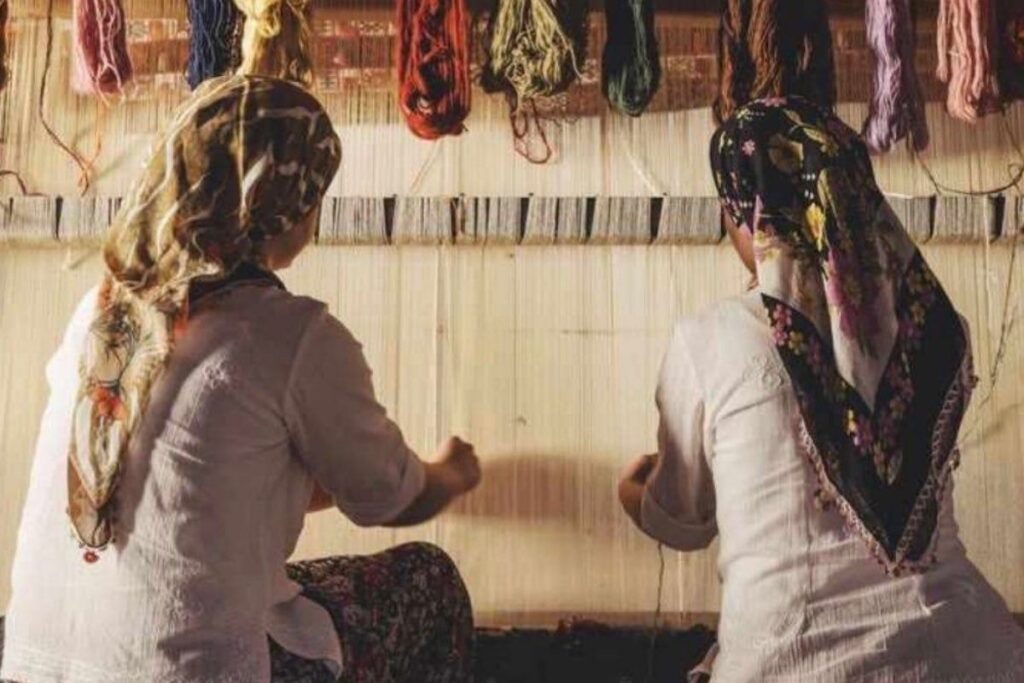
Beyond Sustainability: A Fight for Survival
The contrast with the contemporary textile industry is stark. Polyester fills landfills. Synthetic dyes poison rivers. Fast fashion churns out garments designed to fall apart, so the next cycle of production—and consumption—never stops. The handloom offers a radically different model: cloth that breathes, production that does not demand fossil fuels, textiles made to endure. Sustainability is not a marketing term here; it is the baseline.
But the story doesn’t end with sustainability. Economic survival is equally urgent. Many handloom artisans today face underpayment, exploitation, or outright displacement. Machine-made fabrics mimic traditional patterns at a fraction of the cost, saturating markets and leaving communities unable to compete. Younger generations, seeing little financial stability in weaving, are abandoning the loom. What unravels in the process is not just craft but community itself.
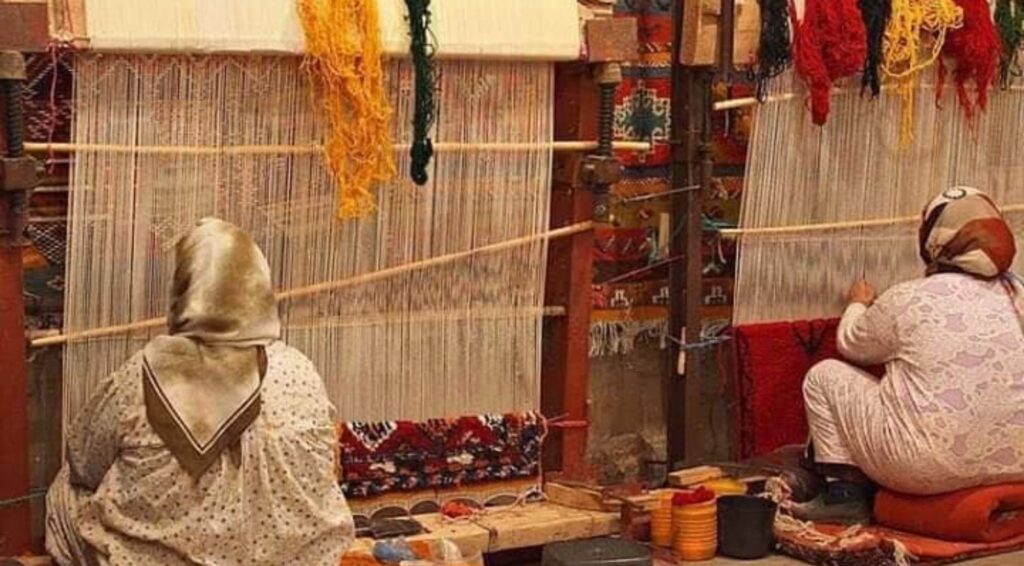
Saving handlooms, then, is not simply about preserving aesthetics or techniques. It is about ensuring fair wages, building markets that value authenticity and creating pathways for younger artisans to sustain livelihoods while carrying traditions forward. Without economic justice, the loom cannot survive.
Threads of Identity, Threads of Resistance
What is at stake is also cultural equity. Every handloom is more than fabric—it is a living archive. Motifs tell the story of migrations, battles and myths. Weaves carry ritual meaning, often tied to births, marriages, or harvests. Structures of knowledge—ways of measuring, counting and designing—are not written in books but embedded in practice, shared across generations through the act of weaving itself.

The disappearance of handlooms would mean erasing centuries of lived experience under the pressure of industrial uniformity. And yet, these textiles are not simply nostalgic. They are resilient, adaptive and deeply relevant in a world seeking alternatives to overconsumption. Supporting handlooms is not about clinging to the past; it is about choosing a future that resists disposability.
To save handlooms is to protect more than fabric. It is to uphold systems of sustainable production, safeguard cultural memory and keep alive the creative resilience of communities who have survived colonization, globalization and industrial displacement. The loom is not just a tool – it is a philosophy, a reminder that radical futures can be built from the oldest practices.
In the end, the question is not whether handlooms can survive, but whether we can afford to let them disappear. Because when the loom falls silent, so does a community’s voice. And when we fight to keep it alive, we are not only preserving heritage—we are weaving possibility itself.