
What happens when art steps out of white-walled galleries and into the street? It stops being a destination and becomes an encounter. A mural on the side of a building, a sculpture in a park, a performance unfolding in a marketplace—these interventions disrupt routine and invite reflection where least expected. Suddenly, art is not an event reserved for ticket holders or collectors but something woven into daily life, visible to everyone, unavoidable in its presence.
Public art challenges the idea that art is exclusive, accessible only to those who can afford the time, education, or entry fee. In the street, it belongs to no one and everyone at once. It democratizes visibility, turning the passerby into an audience and sometimes into a participant.
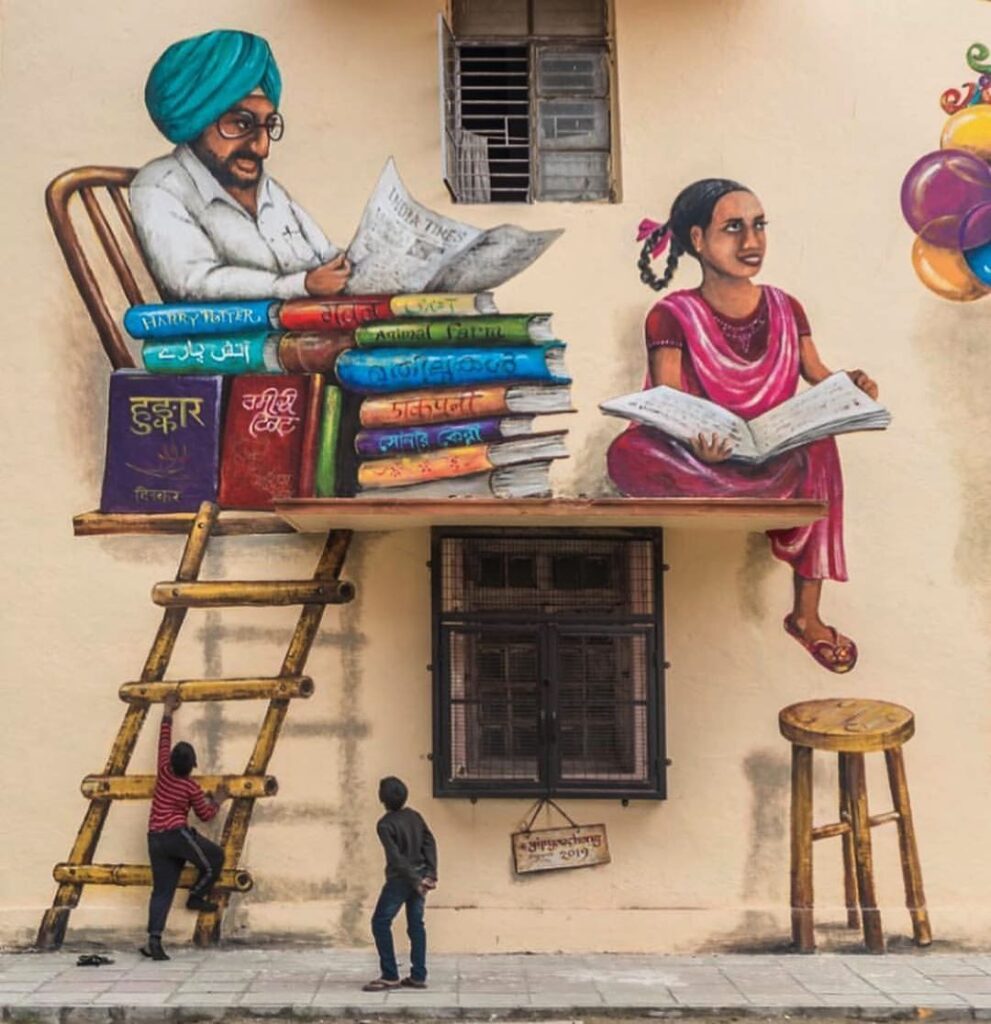
Interventions as Dialogue
Unlike gallery works, public art cannot control its context. It competes with traffic noise, weather, urban sprawl and human movement. But this unpredictability is its strength. Public art thrives on dialogue—between the work and its environment, between the artist and the community, between the object and the lived realities that surround it.
Street murals become platforms for protest, giving voice to demands for justice. Temporary installations reframe neglected spaces, asking people to see their cities anew. Performances staged in public challenge conventions of who art is for and where it belongs.
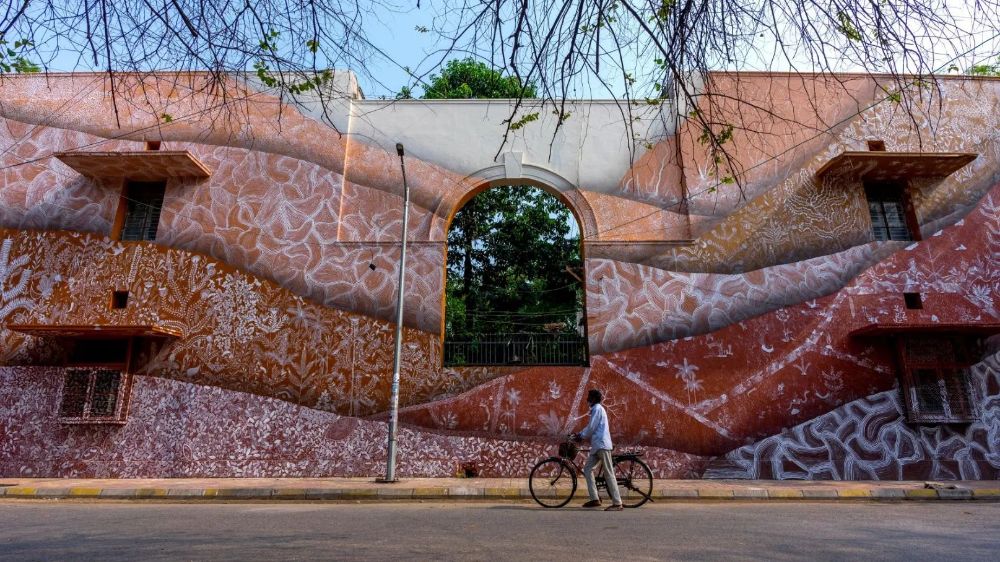
Each intervention is not just a statement but a conversation, often sparking debate, dissent, or solidarity.
Accessibility and Controversy
To place art in public is also to expose it to scrutiny. Without the protective aura of the gallery, works are judged not by curators but by the public eye. Some pieces inspire pride and belonging; others provoke anger or rejection. Controversy is almost inevitable, but that too is a form of engagement. Art that blends into the background risks irrelevance, while art that stirs conflict proves its vitality.
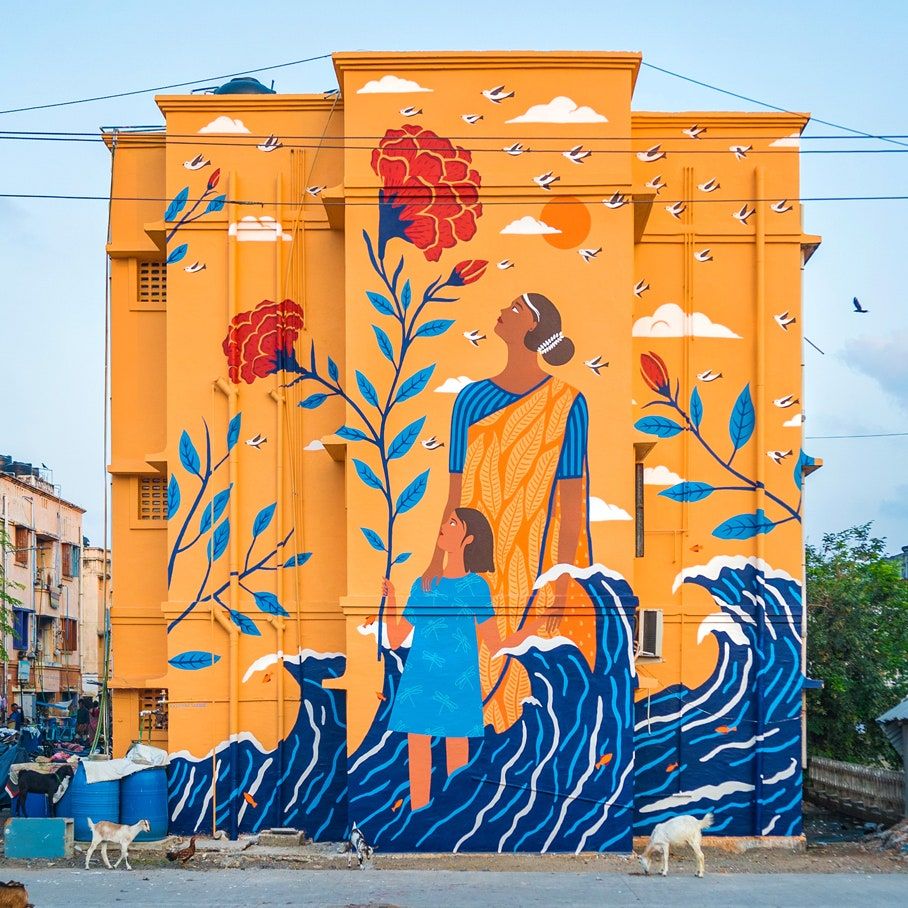
The accessibility of public art also means it can serve as cultural infrastructure, not just decoration. Murals that honor local history, sculptures that commemorate collective struggle, or installations that highlight environmental crisis turn urban space into a living archive. These works root art in the everyday while ensuring that culture does not exist at a distance from community.
The Future of Public Art
As cities grapple with questions of equity, identity and sustainability, public art is set to play an even greater role. We will likely see more community-led projects, collaborations between artists and activists and temporary works designed to respond quickly to urgent issues. Digital interventions—augmented reality murals, interactive projections—will also expand what “public” means in an increasingly hybrid world.
But the core principle remains unchanged: when art leaves the gallery, it refuses to be contained. It insists on presence, on interruption, on belonging to all.
Public art interventions remind us that creativity does not need a pedestal to matter. On the street corner, on the wall, in the square—it makes culture visible, accessible and alive. And in doing so, it shifts art from object to experience, from commodity to common ground.