
Contemporary art is often described as art of “the now”—but that phrase is both too neat and too vague. Unlike earlier movements, contemporary art isn’t defined by a single medium, manifesto, or aesthetic. It is marked instead by a restlessness, a refusal to be pinned down. From immersive installations to digital performance, it thrives on pushing against the boundaries of what art is and who it is for.
At its core, contemporary art is about grappling with the conditions of the present. It speaks to globalization, technology and cultural collisions, but it also makes room for deeply personal, localized stories. That tension—between the global and the intimate, the virtual and the material—gives it both urgency and unpredictability.
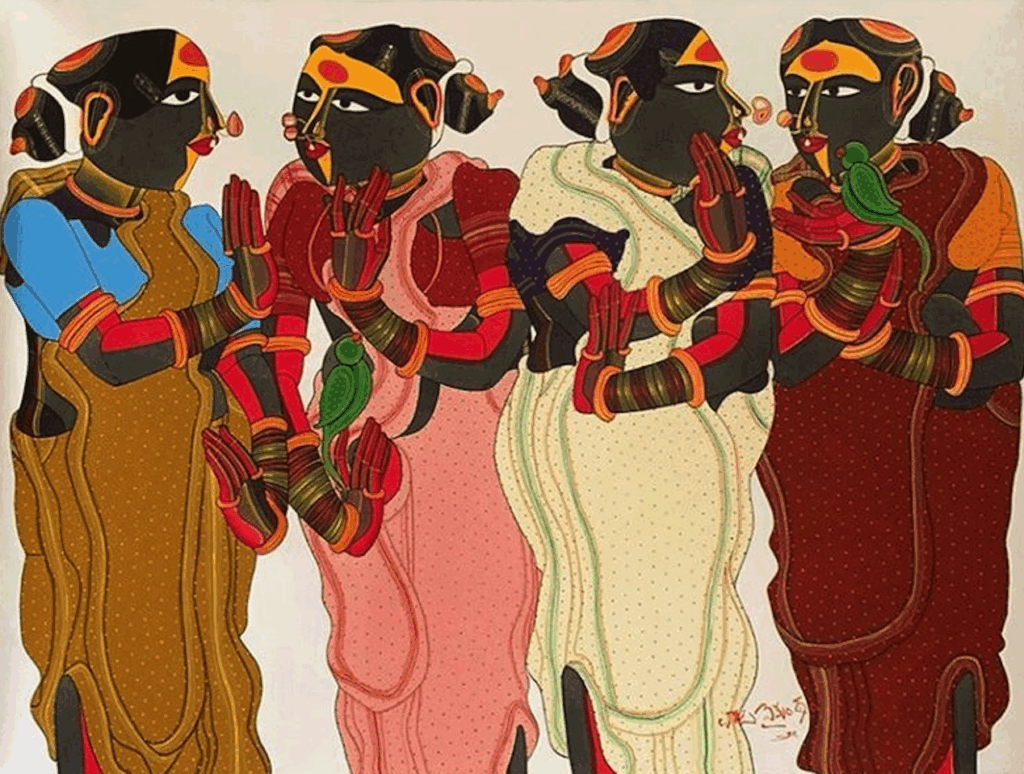
Artists as Change-Makers
What sets much of contemporary practice apart is its willingness to engage with the political. Where earlier art movements often insisted on autonomy from politics, today’s artists actively collapse that divide. They treat the gallery as a forum, the museum as a site of debate, the artwork as a tool for intervention.
Artists are interrogating borders, gender, labor, surveillance, climate catastrophe and racial injustice—not from the sidelines, but as participants shaping discourse. For example, works that reuse waste materials are not just about form; they are statements on environmental crisis. Performances that center marginalized voices aren’t “commentary”—they are embodiments of lived resistance.
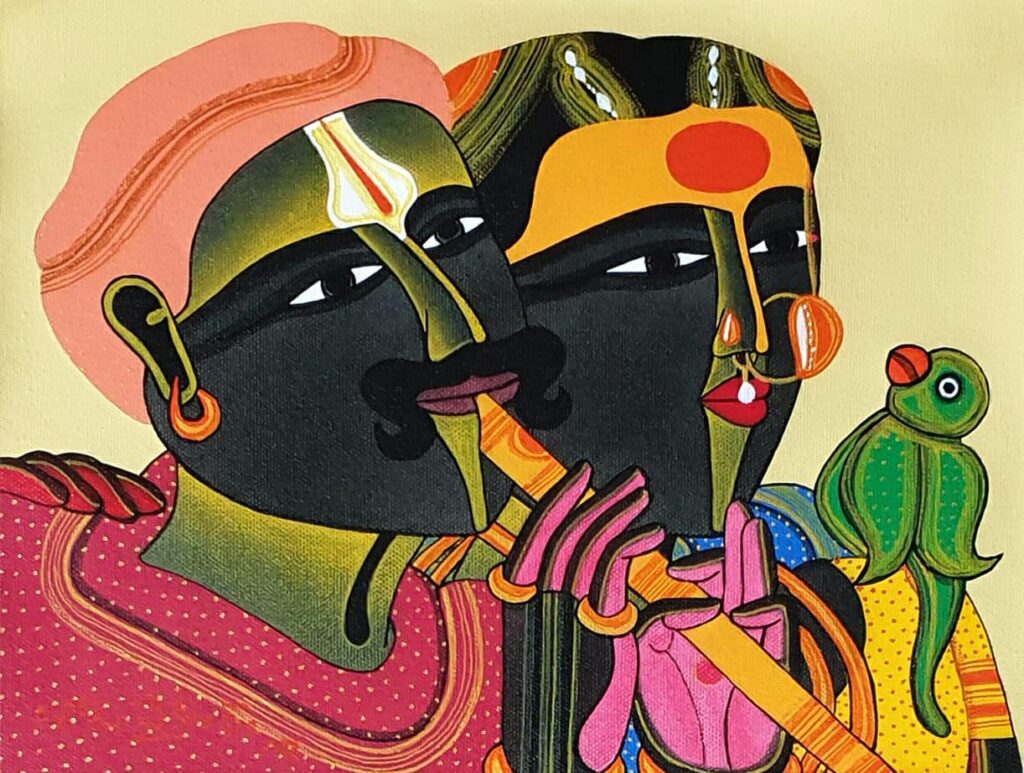
This shift signals a deeper redefinition of art’s role. The contemporary artist is no longer simply a maker of objects but a mediator, activist and sometimes agitator. By embedding socio-political narratives into their practice, artists position themselves as catalysts for change rather than passive observers.
The Future of the Contemporary
So, what comes next? If the past decades have been defined by hybridity and critique, the future may lean even further into collectivity and accountability. Expect to see artists building collaborations that blur the line between art and activism, creating works that live not only in galleries but in communities, streets and digital spaces.
Technology will remain both a tool and a battleground—AI, NFTs and virtual reality expanding what art can look like while also raising questions of labor, authorship and equity. Yet even as the digital accelerates, there will likely be a countercurrent: a return to the tactile, the embodied, the hand-made, as antidotes to the disembodied screens we inhabit daily.
What is certain is that contemporary art will not sit still. Its very premise is that the world is in motion and art must respond, however chaotically. And in this turbulence lies its strength: it mirrors the complexity of our time while offering ways to imagine beyond it.
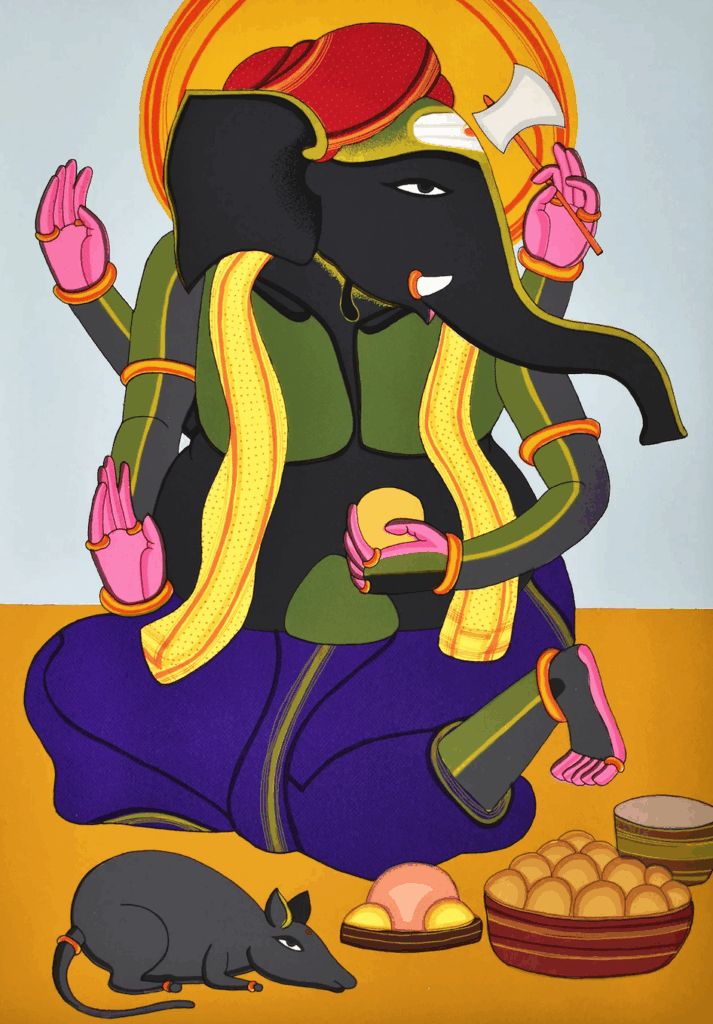
Contemporary art’s future, then, is less about style and more about stance. It will be measured not by movements but by momentum—how far it pushes, how deeply it challenges, how boldly it asks: what does it mean to make art in a world that is burning, shifting and rebuilding all at once?