Textiles are never just fabric. They are coded with memory—threads that hold the weight of family histories, community rituals and collective identity. A shawl passed down through generations carries the imprint of hands that wove it and the ceremonies it has witnessed. A patterned cloth tells of migrations, resistances and exchanges across borders. In every fiber lies a story of belonging.
In many cultures, textiles serve as a living archive where history is not written but worn. Unlike monuments carved in stone, cloth is fragile, intimate and close to the body. Yet that very closeness gives it power: it becomes part of daily life, a marker of continuity even as worlds shift around it.
Weaving Back What Was Lost
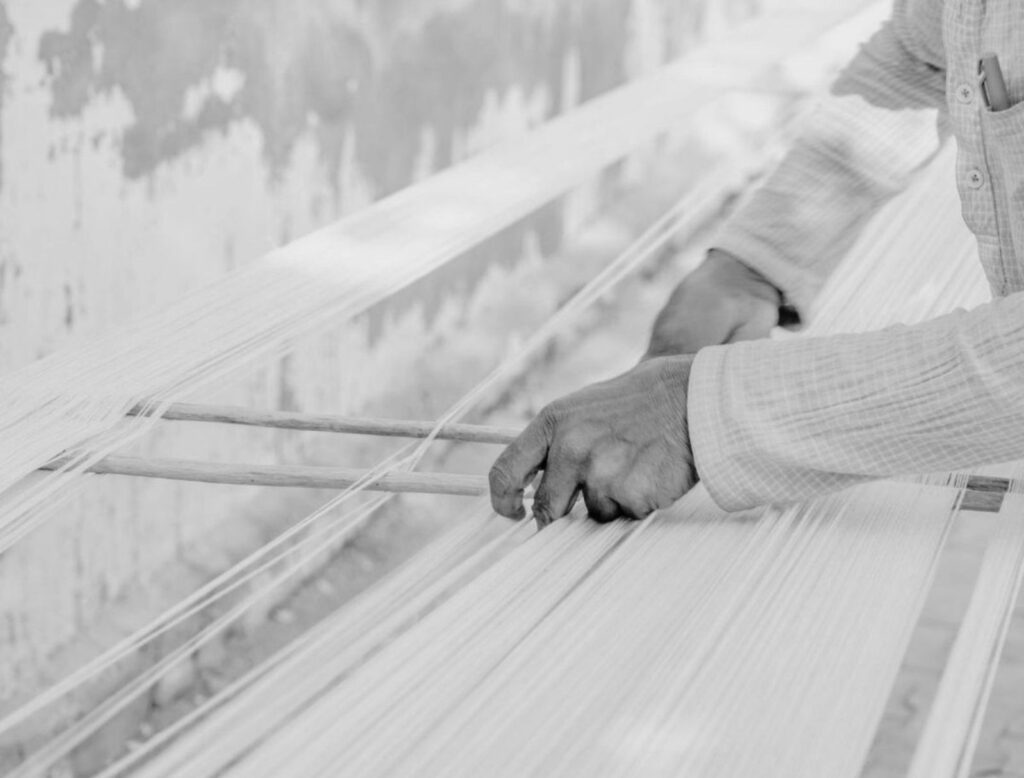
In places where colonization, industrialization and globalization have eroded cultural practices, textiles are becoming a site of revival. Communities are returning to traditional looms, indigenous dyes and ancestral motifs—not only to preserve them but to reassert identity in the present. A revival is not about nostalgia; it is about reclamation.
Reviving textiles is also a way of recovering language, ritual and craft knowledge that risked extinction. When young artisans learn the patterns their grandparents once wove, they are not only mastering technique—they are reconnecting to a worldview.
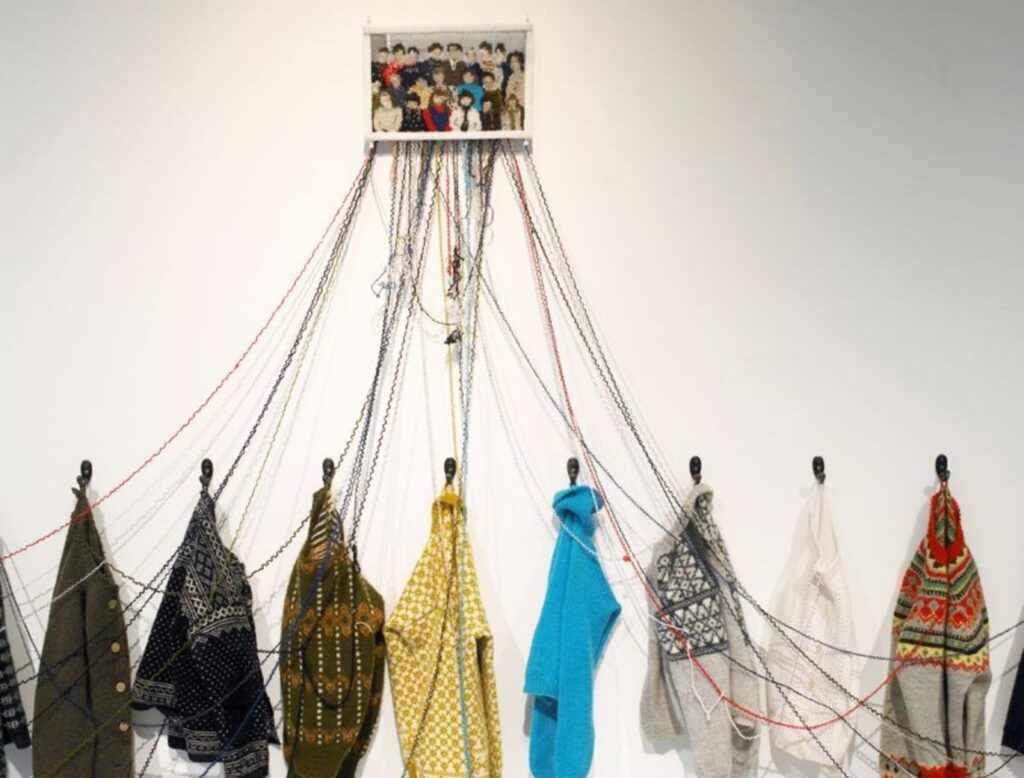
Each motif carries symbolic meaning: fertility, protection, land, or myth. To reweave these designs is to restitch fractured narratives of culture itself.
Beyond Preservation: Resistance and Innovation
Textile revival is not simply preservation. It is also resistance against homogenization. In a world flooded by fast fashion, where machine-made fabrics flatten diversity into seasonal trends, handwoven textiles insist on difference. They announce that culture cannot be reduced to mass-produced motifs or globalized sameness.
But revival does not mean freezing tradition in amber. Many artists and designers are fusing ancient techniques with contemporary aesthetics—updating palettes, experimenting with materials, or collaborating across disciplines. This hybridity ensures that revival is not only about looking backward but about pushing tradition forward. Culture survives not by standing still but by evolving.
The Role of Community
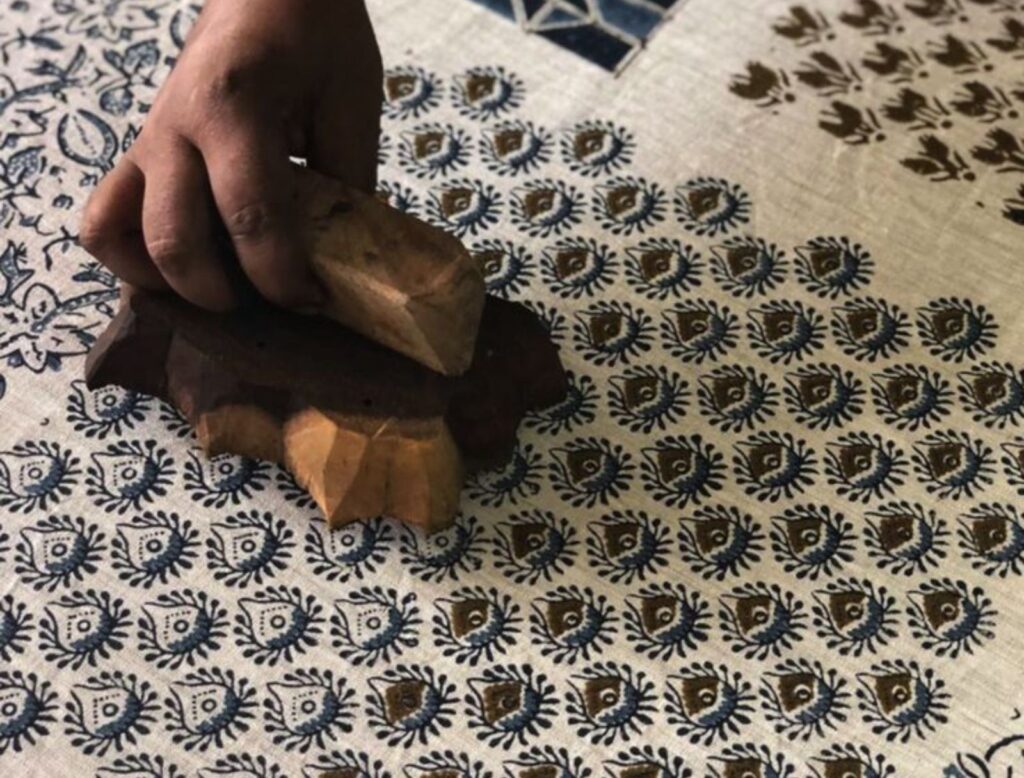
What makes textiles especially powerful in cultural revival is that they are collective by nature. Unlike isolated art objects, textiles are often produced within networks of families, cooperatives and guilds. Weaving brings together shared labor, storytelling and exchange. To revive a textile practice is to strengthen community ties, to create economic lifelines and to affirm social bonds that might otherwise fray.
For diasporic communities, textiles also become a portable homeland. A sari, a kente cloth, a huipil—these are not just garments but connections to place, even when place is distant. Wearing, gifting, or displaying them becomes an act of remembrance and belonging.
A Fabric for the Future
The role of textiles in cultural revival is both symbolic and practical. They preserve knowledge systems, they empower artisans economically and they provide a canvas for communities to reassert identity in turbulent times. In an era where cultural erasure often travels hand in hand with consumer excess, textiles remind us of another possibility: culture as continuity, care and resistance.
The fate of textiles is not confined to museum walls. It lies in daily use – wrapped around bodies, stretched across looms, embedded in households. As long as they are made and worn, textiles will carry culture forward and keep communities thriving.