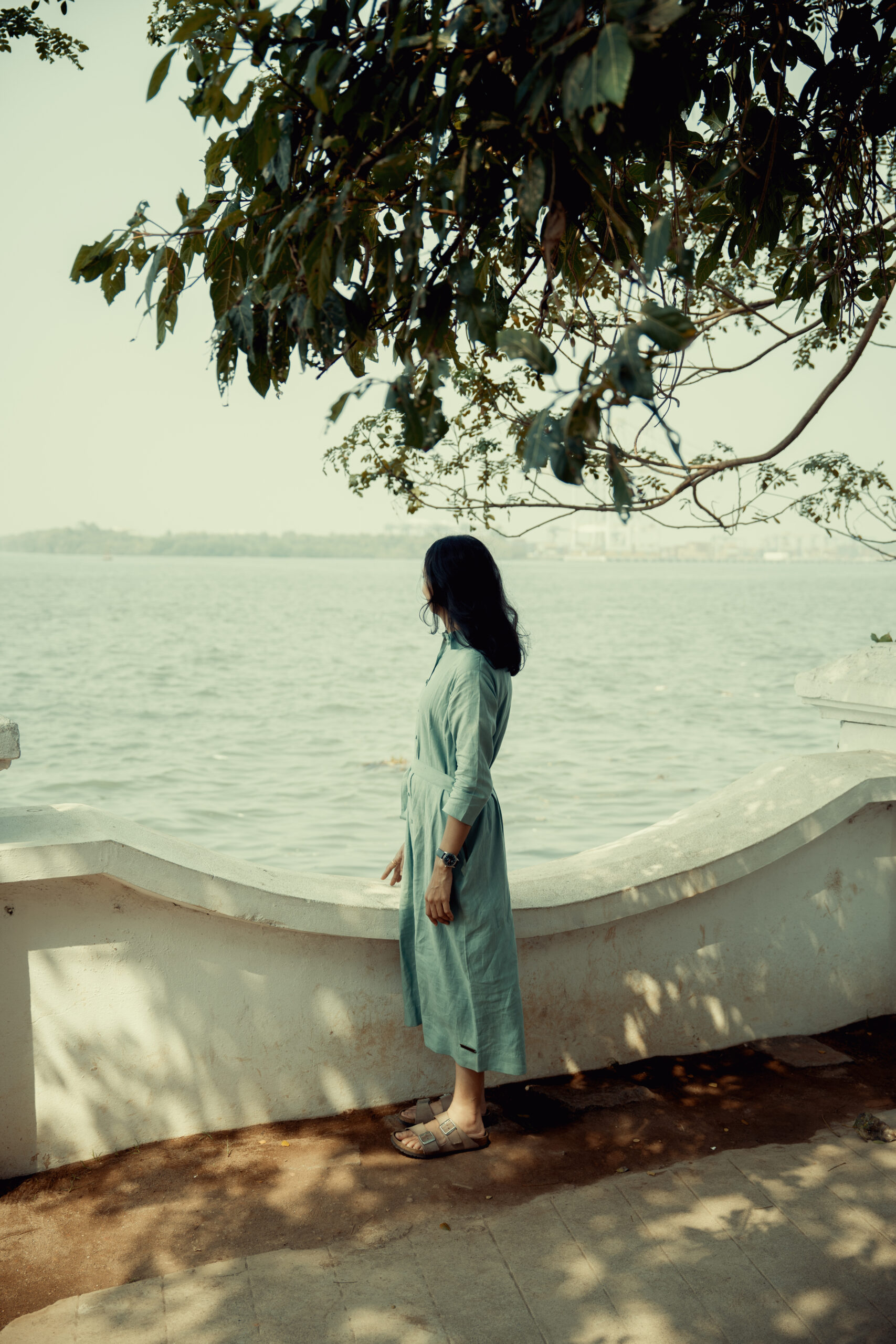
Parul Gupta, founder of Yūga, approaches textile design as an act of preservation, translation and renewal. Rooted in a deep respect for India’s handloom traditions, her practice bridges ancestral craftsmanship with contemporary design, creating textiles that carry both history and relevance. Her work is shaped by the belief that heritage is not something to be preserved from a distance, but something that must continue to evolve through the hands that keep it alive.
There is a quiet intention in Parul’s practice. It reveals itself through patience, process and an unwavering commitment to craft. Drawn away from the pace of urban production, her journey led her into the weaving communities of Kerala, where years of close collaboration with artisans deepened her understanding of the relationship between material, maker and tradition.
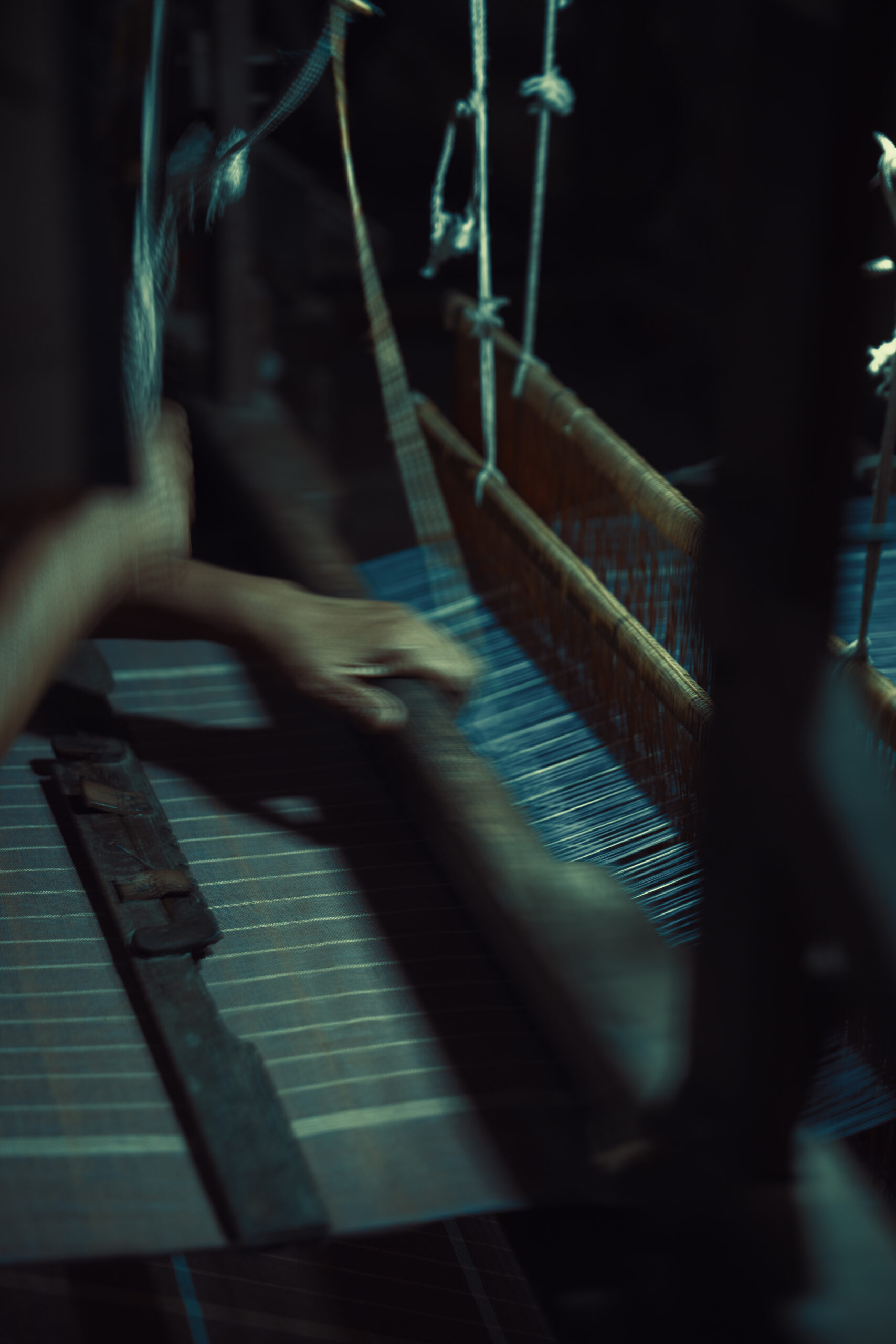
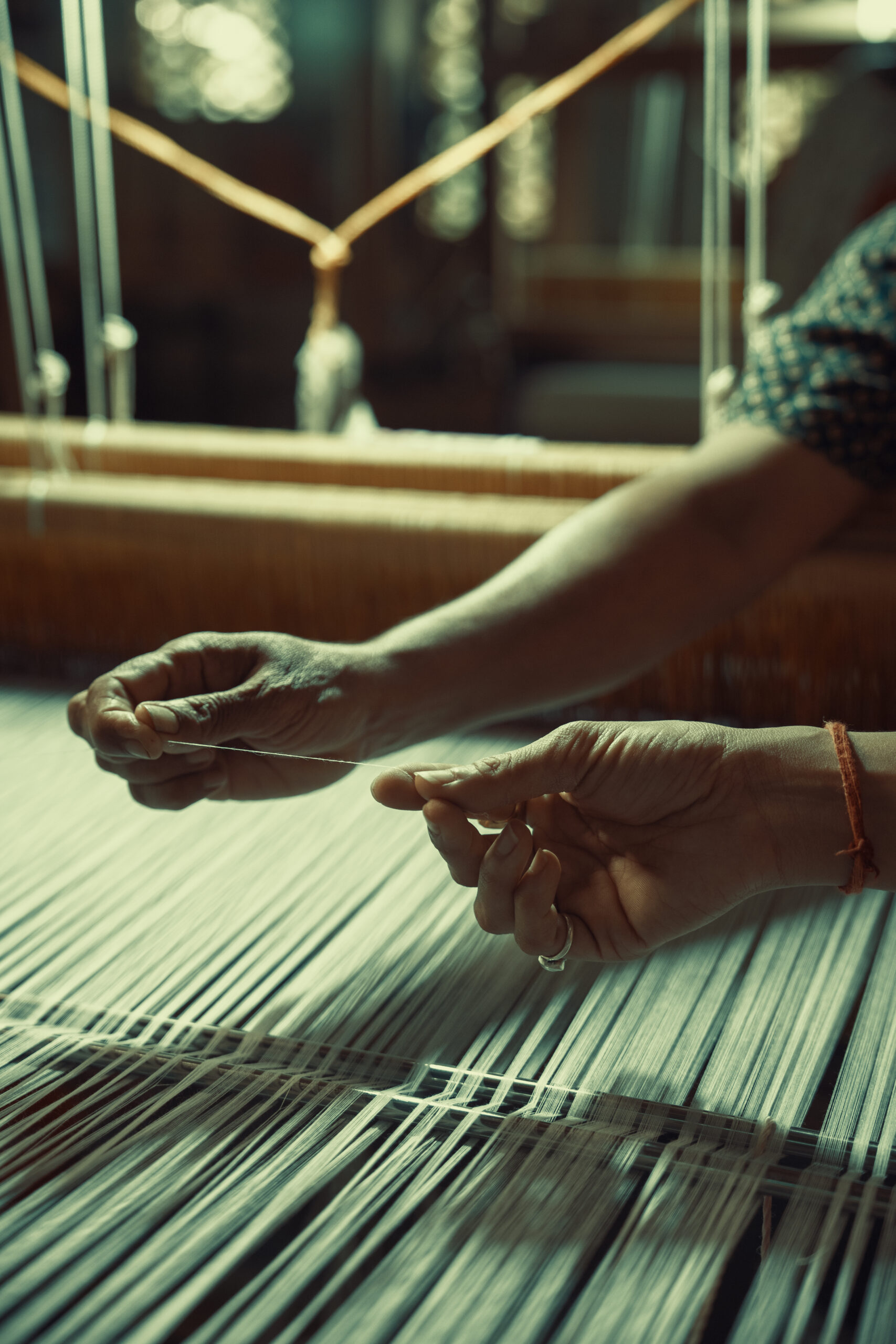
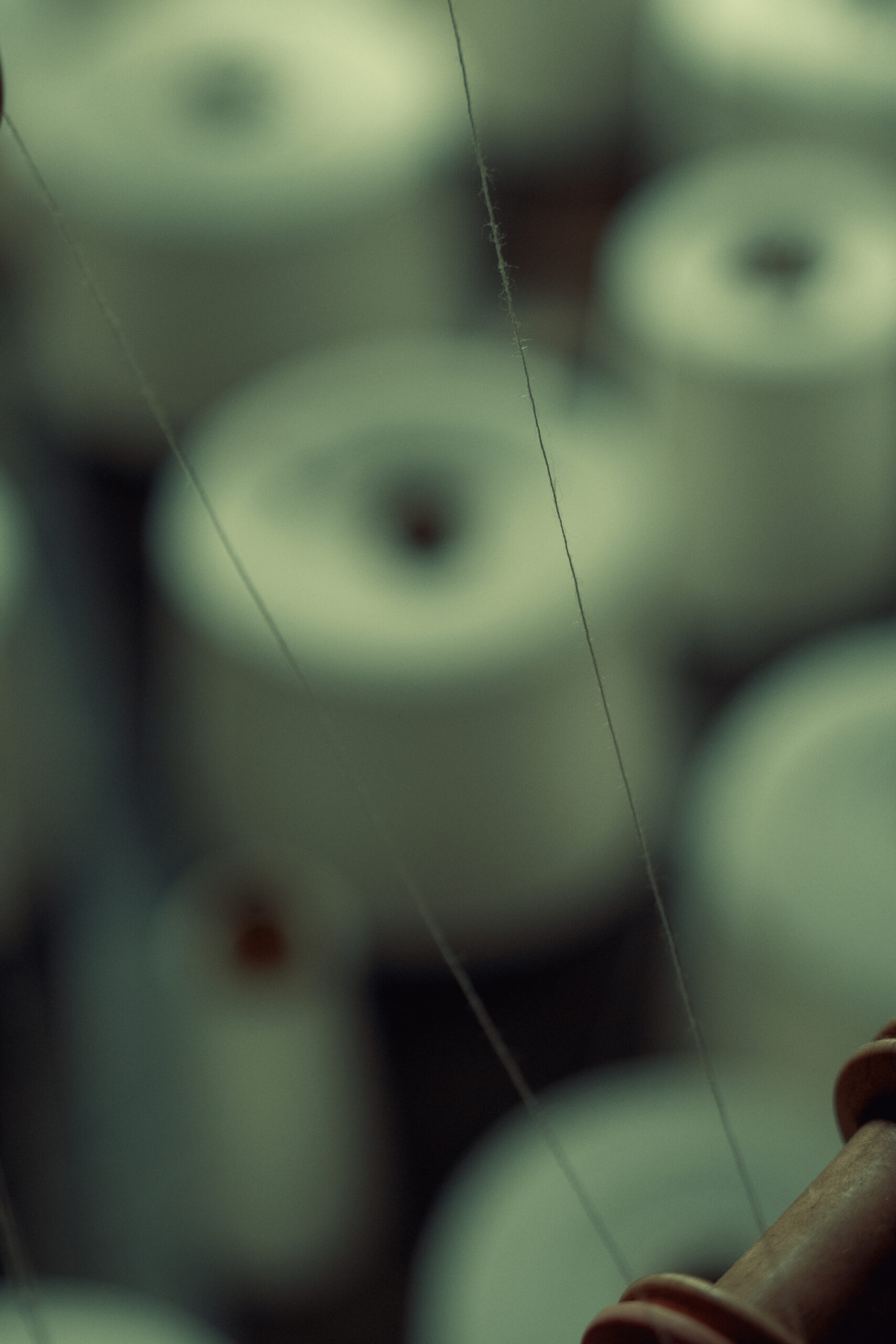
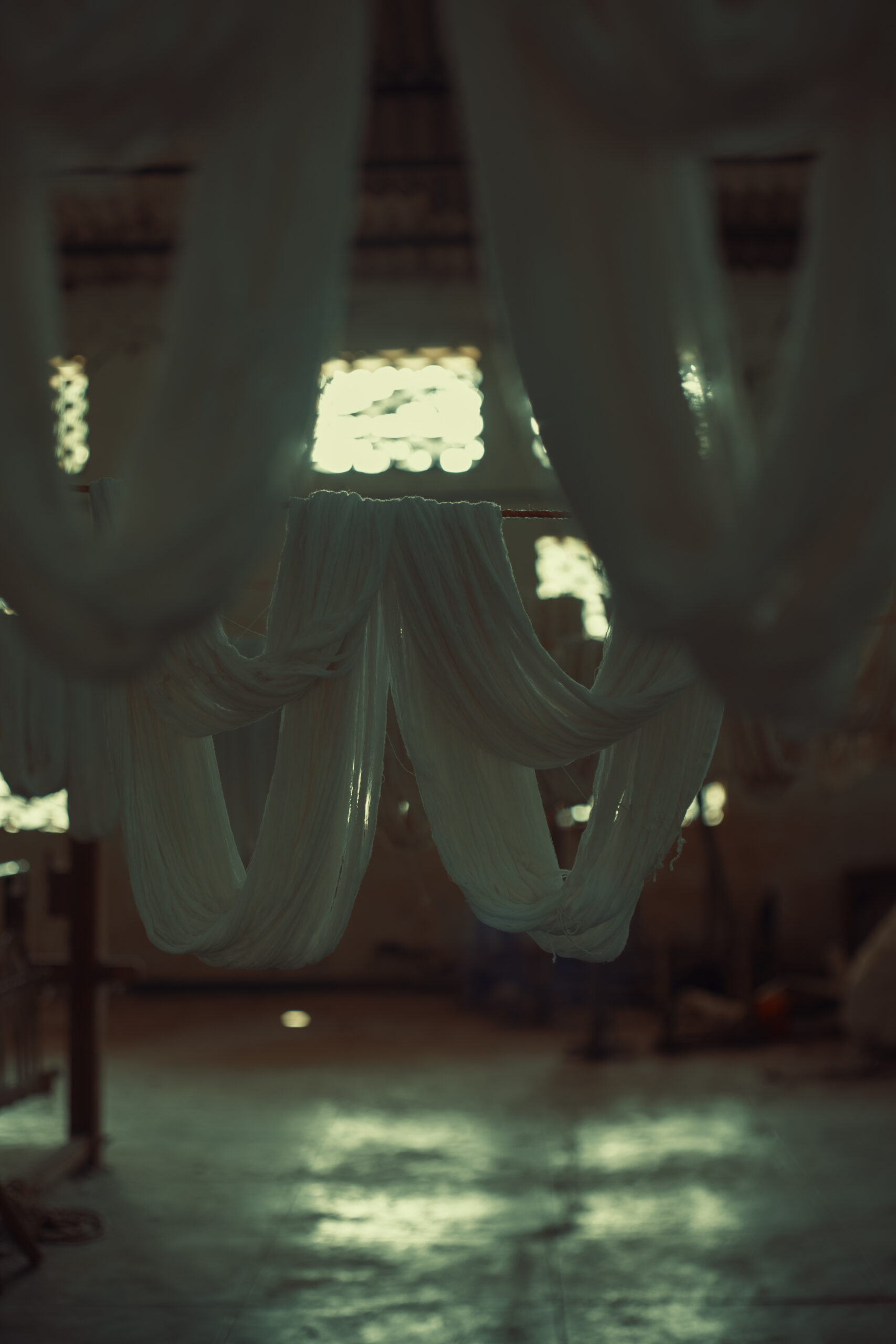
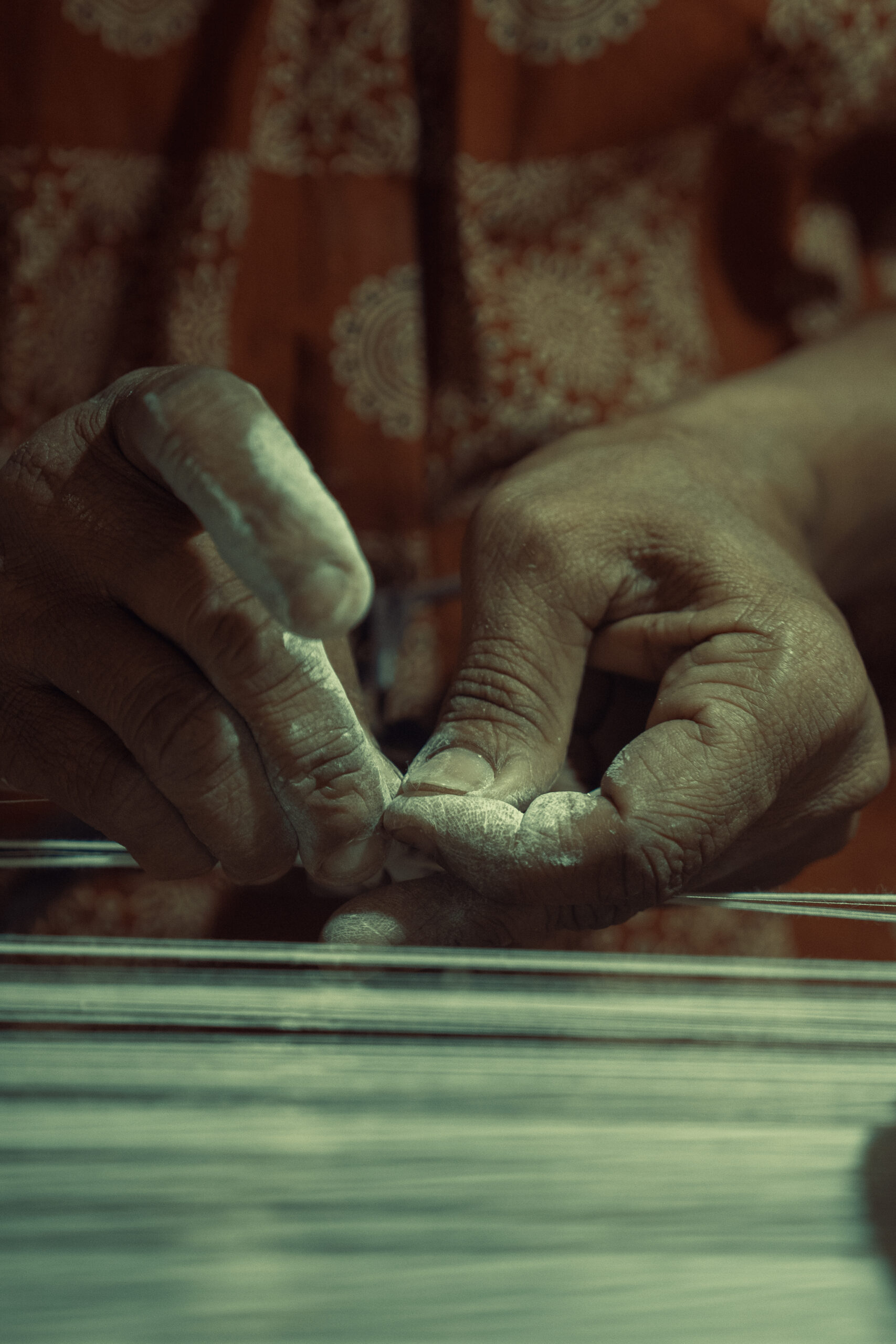
In the weaving sheds of Chendamangalam, time is measured by the steady rhythm of the loom. Here, Parul found more than a craft — she found a philosophy. Working alongside local weavers, she came to see the loom as a place of shared respect, where ancestral techniques continue to find new expression through contemporary design.
For Parul, the role of an Indian designer extends beyond creating beautiful objects. It is about elevating regional craft, working in partnership with artisan communities and ensuring that traditional knowledge remains a living part of everyday life. Through Yūga, she transforms inherited weaving traditions into a modern vernacular, allowing historic narratives to exist with renewed purpose rather than as museum artefacts.
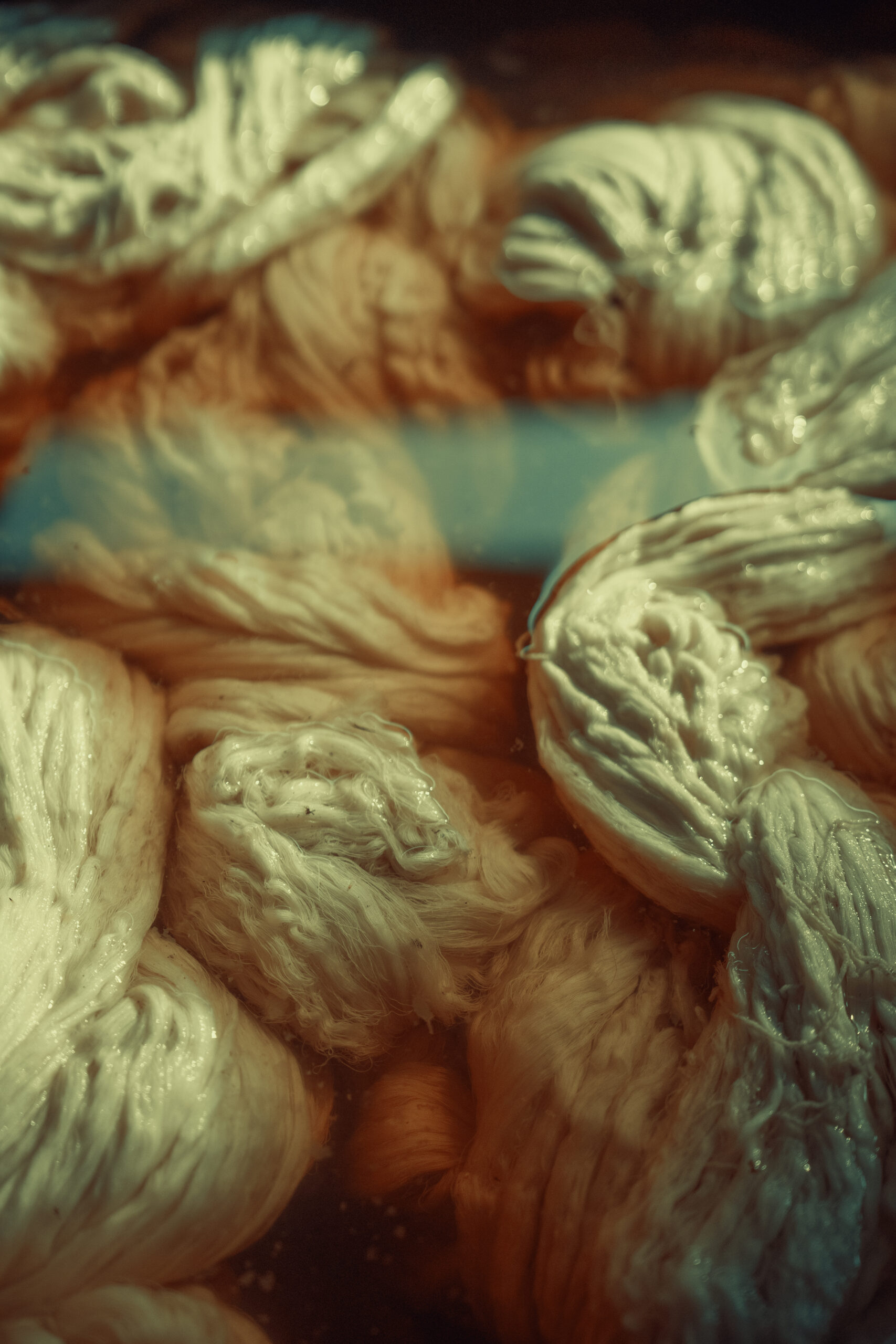
Every handloom textile carries the imprint of time, skill and human touch. For Parul, preserving that integrity is as important as the finished fabric itself. Her work honours the slow translation of raw yarn into cloth, ensuring that the weaver’s story remains embedded within every fibre.
As part of Burgoyne Original Masters, Parul Gupta represents a practice grounded in collaboration, cultural continuity and mindful design — where tradition is not simply preserved, but thoughtfully carried forward for a new generation.
Parul Gupta, founder of Yūga, approaches textile design as an act of preservation, translation and renewal. Rooted in a deep respect for India’s handloom traditions, her practice bridges ancestral craftsmanship with contemporary design, creating textiles that carry both history and relevance. Her work is shaped by the belief that heritage is not something to be preserved from a distance, but something that must continue to evolve through the hands that keep it alive.
There is a quiet intention in Parul’s practice. It reveals itself through patience, process and an unwavering commitment to craft. Drawn away from the pace of urban production, her journey led her into the weaving communities of Kerala, where years of close collaboration with artisans deepened her understanding of the relationship between material, maker and tradition. In the weaving sheds of Chendamangalam, time is measured by the steady rhythm of the loom. Here, Parul found more than a craft — she found a philosophy. Working alongside local weavers, she came to see the loom as a place of shared respect, where ancestral techniques continue to find new expression through contemporary design.
For Parul, the role of an Indian designer extends beyond creating beautiful objects. It is about elevating regional craft, working in partnership with artisan communities and ensuring that traditional knowledge remains a living part of everyday life. Through Yūga, she transforms inherited weaving traditions into a modern vernacular, allowing historic narratives to exist with renewed purpose rather than as museum artefacts. Every handloom textile carries the imprint of time, skill and human touch. For Parul, preserving that integrity is as important as the finished fabric itself. Her work honours the slow translation of raw yarn into cloth, ensuring that the weaver’s story remains embedded within every fibre. As part of Burgoyne Original Masters, Parul Gupta represents a practice grounded in collaboration, cultural continuity and mindful design — where tradition is not simply preserved, but thoughtfully carried forward for a new generation.
The loom is a place where ancestral techniques find new expression through contemporary design.
The loom is a place where ancestral techniques find new expression
through contemporary design.
The loom is a place where ancestral
techniques find new expression
through contemporary design.