Ishaan Leonard Rao, an Indo-Dutch pianist and composer, inhabits a musical landscape where tradition and experimentation exist in effortless dialogue. Raised in a home deeply rooted in Indian classical music, Ishaan’s relationship with sound began early. He was introduced to the sitar at the age of three and the cello at four, yet by six, he had found the instrument that would become entirely his own: the piano.
If you spend enough time listening to Ishaan, you realise that the piano is less of an instrument and more of a native tongue. What began with years of rigorous classical training has evolved into a deeply personal and borderless musical language. Today, his compositions move fluidly across influences, weaving together Indian classical traditions with contemporary jazz, alongside echoes of Arabic, Klezmer and Balkan music.
There is a remarkable ease with which Ishaan translates the intricate spirit of Indian ragas into the structured world of Western classical music, allowing improvisation and spontaneity to shape the spaces in between. It never feels deliberate or constrained. Instead, he paints with the keys, transforming sound into a rich landscape of colour, texture and emotion.
For Ishaan, music is never about adhering to genre. It is about expression in its most instinctive form. His work resists categorisation, distilling diverse musical inheritances into something singular and unmistakably his own.
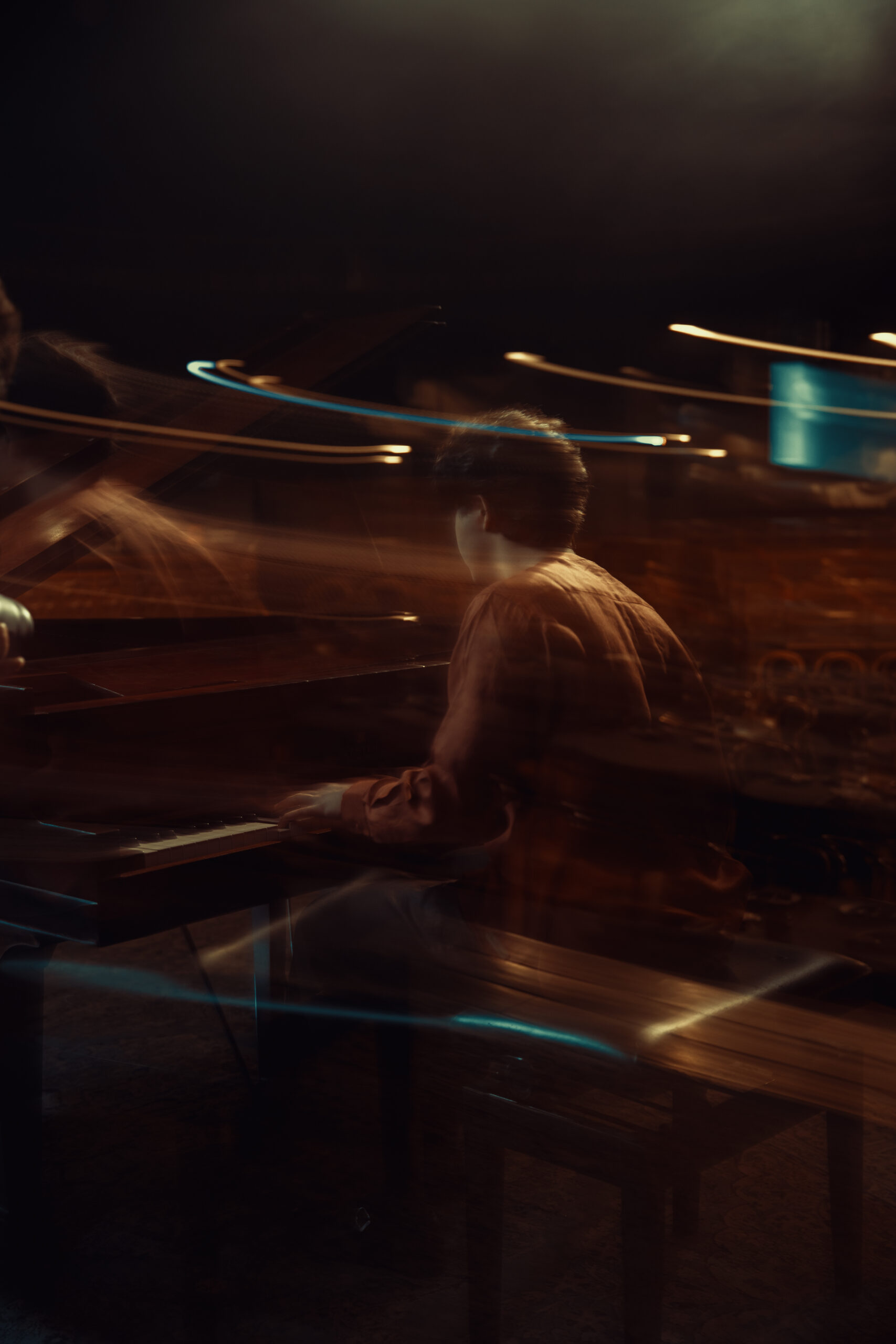
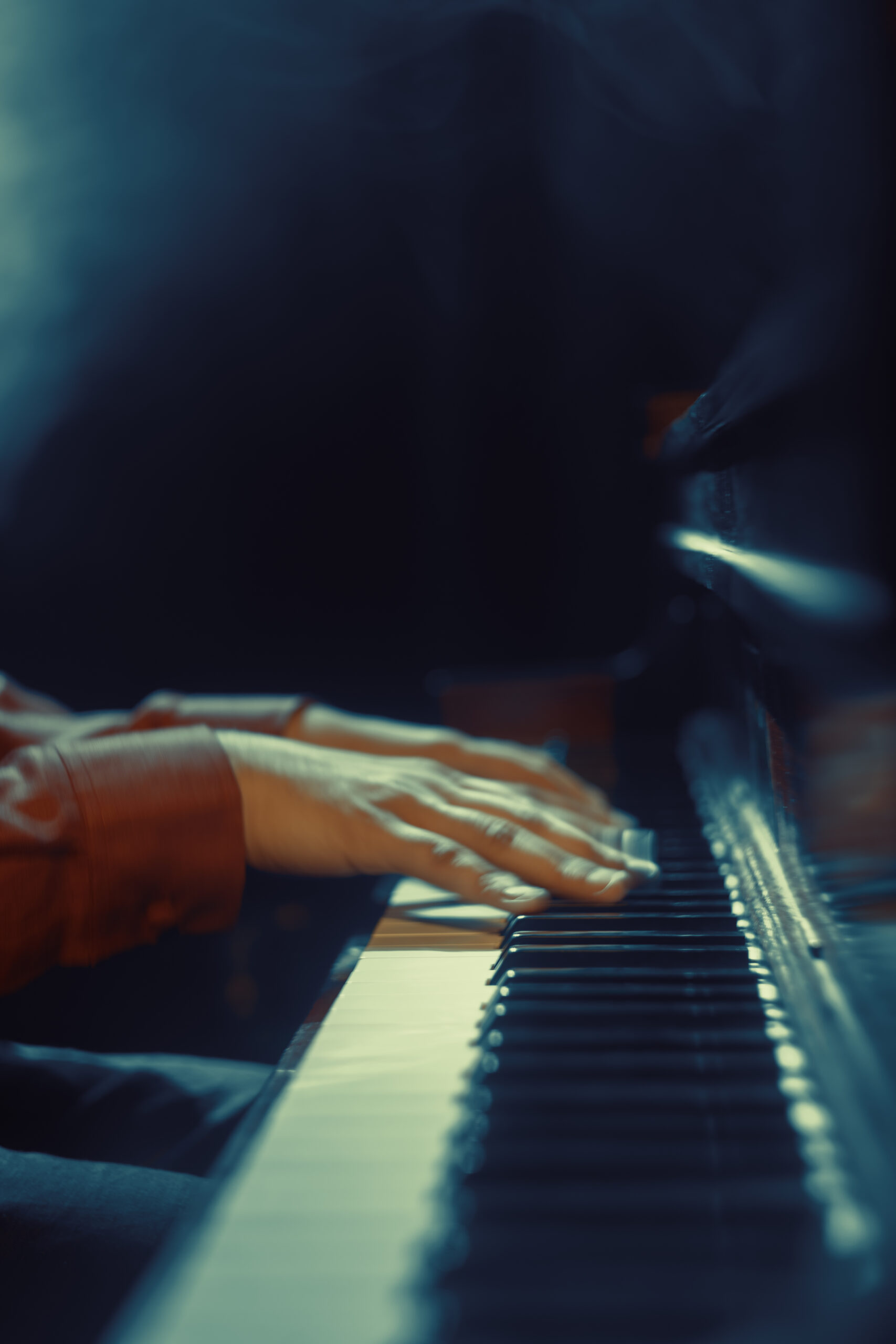
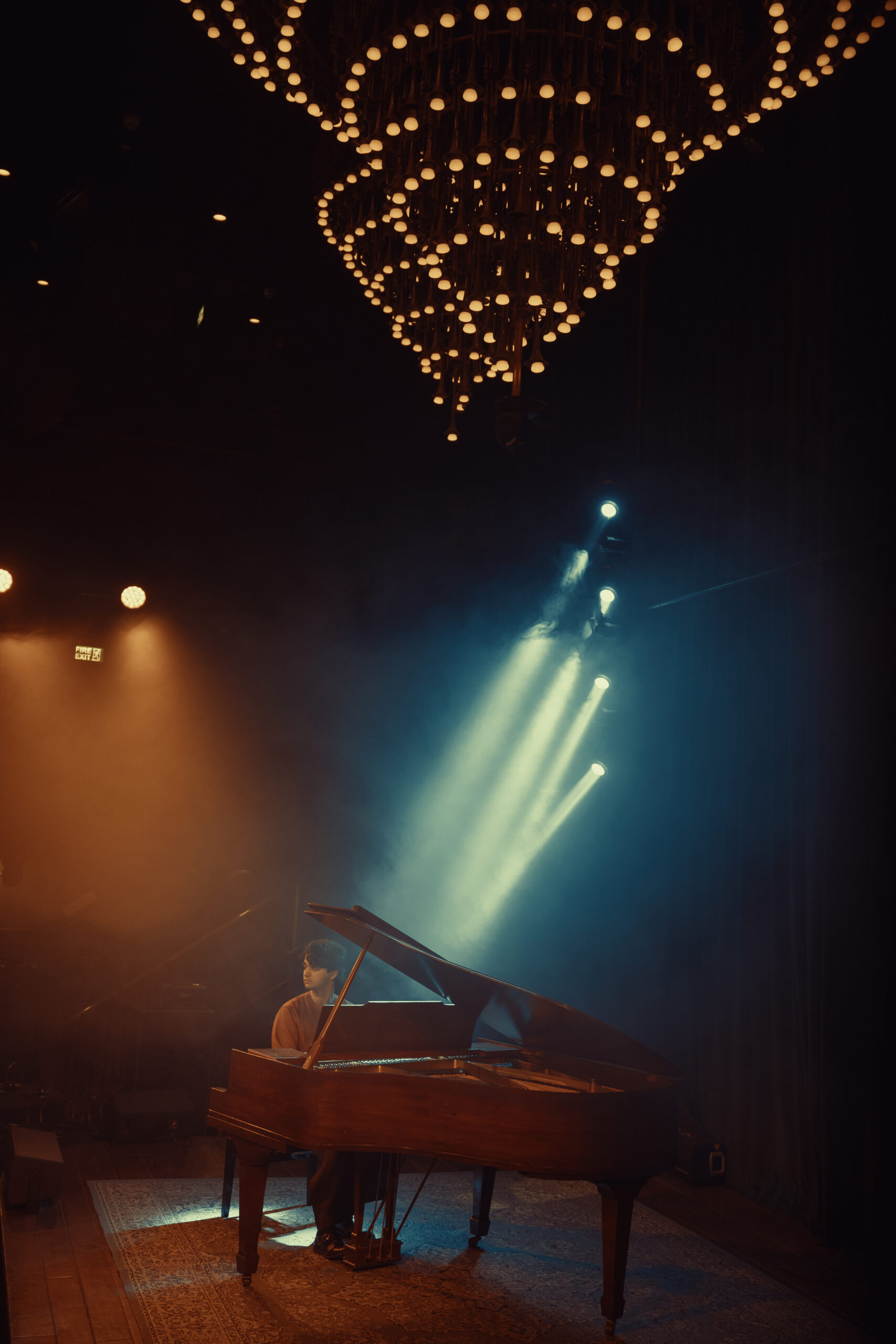
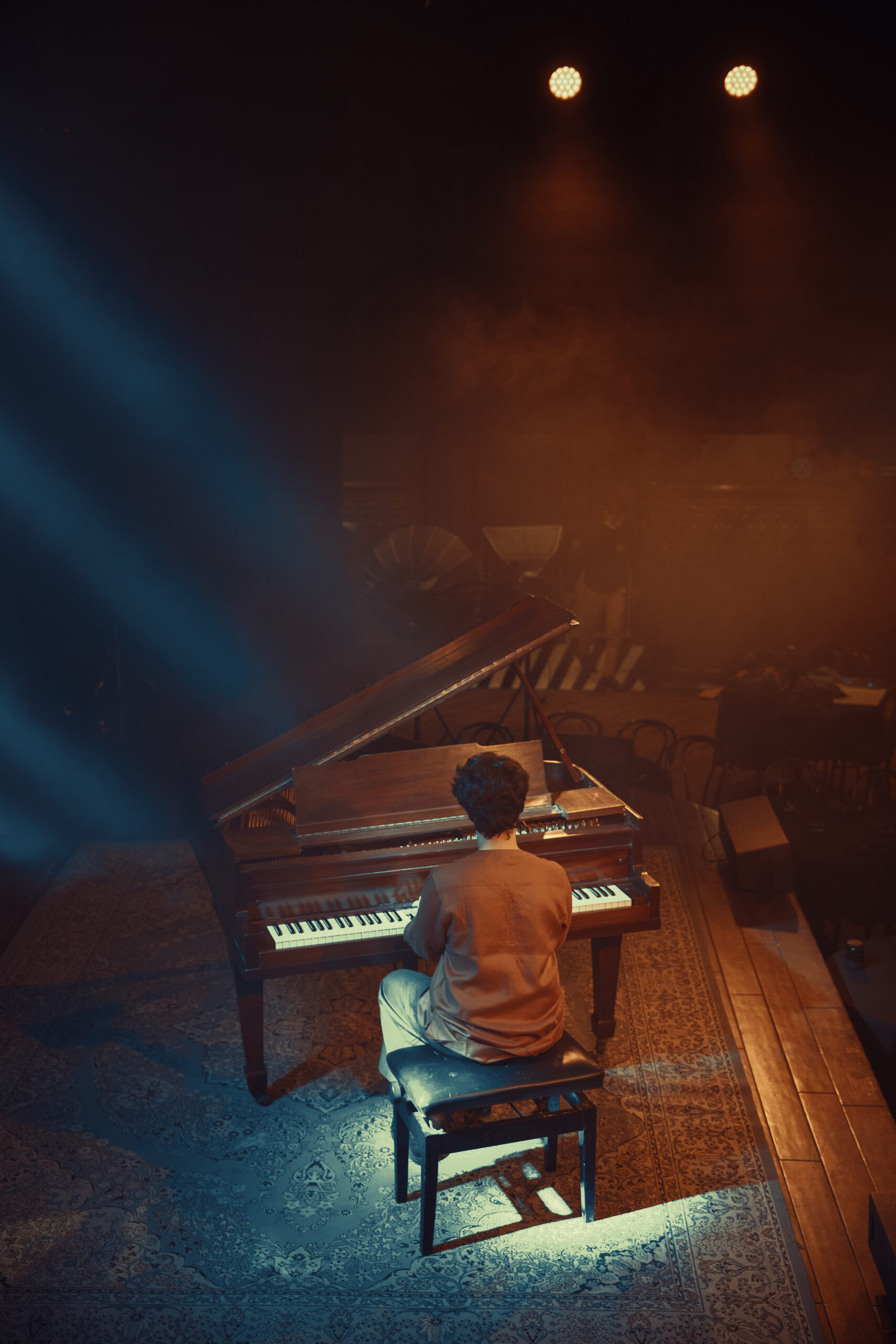
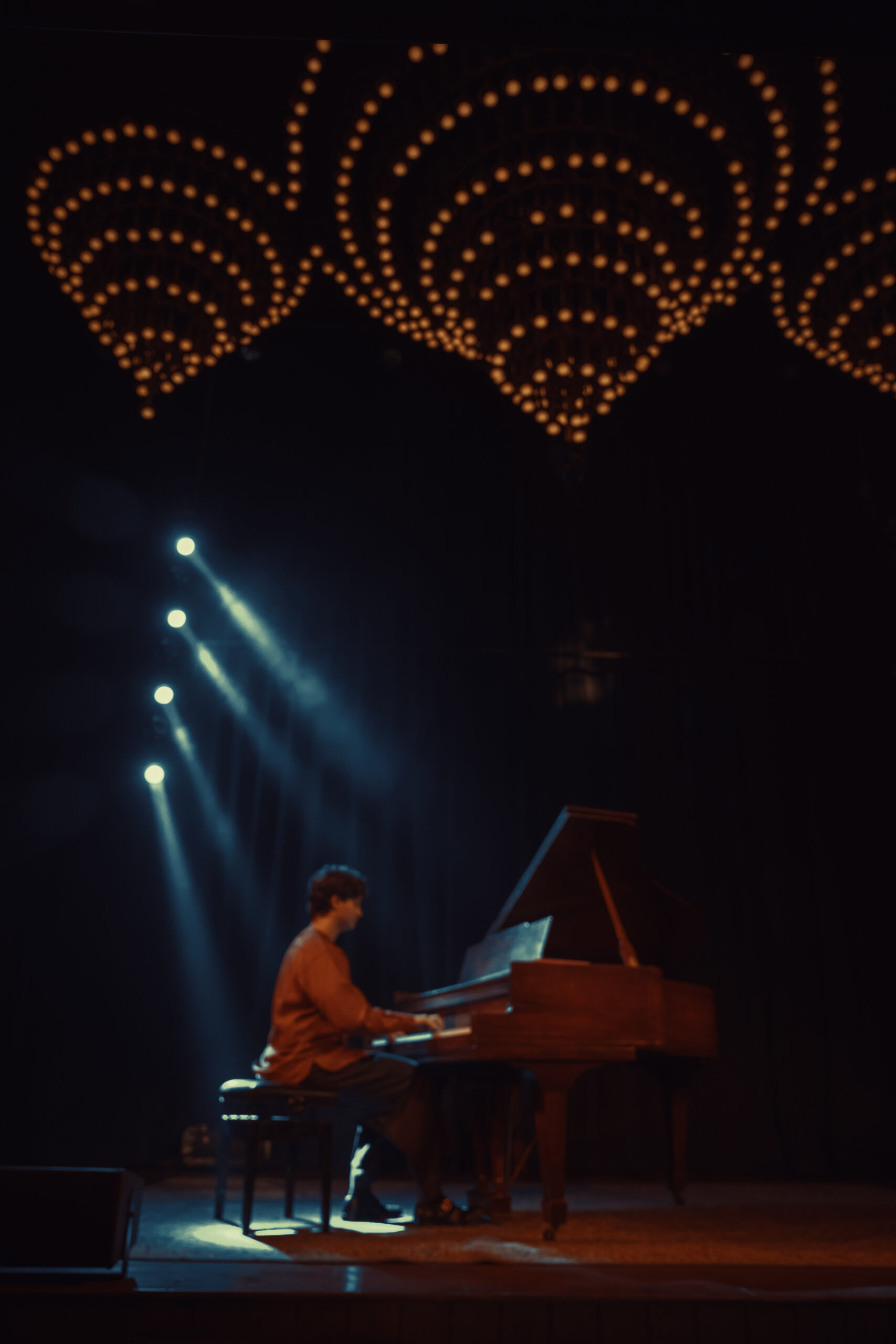
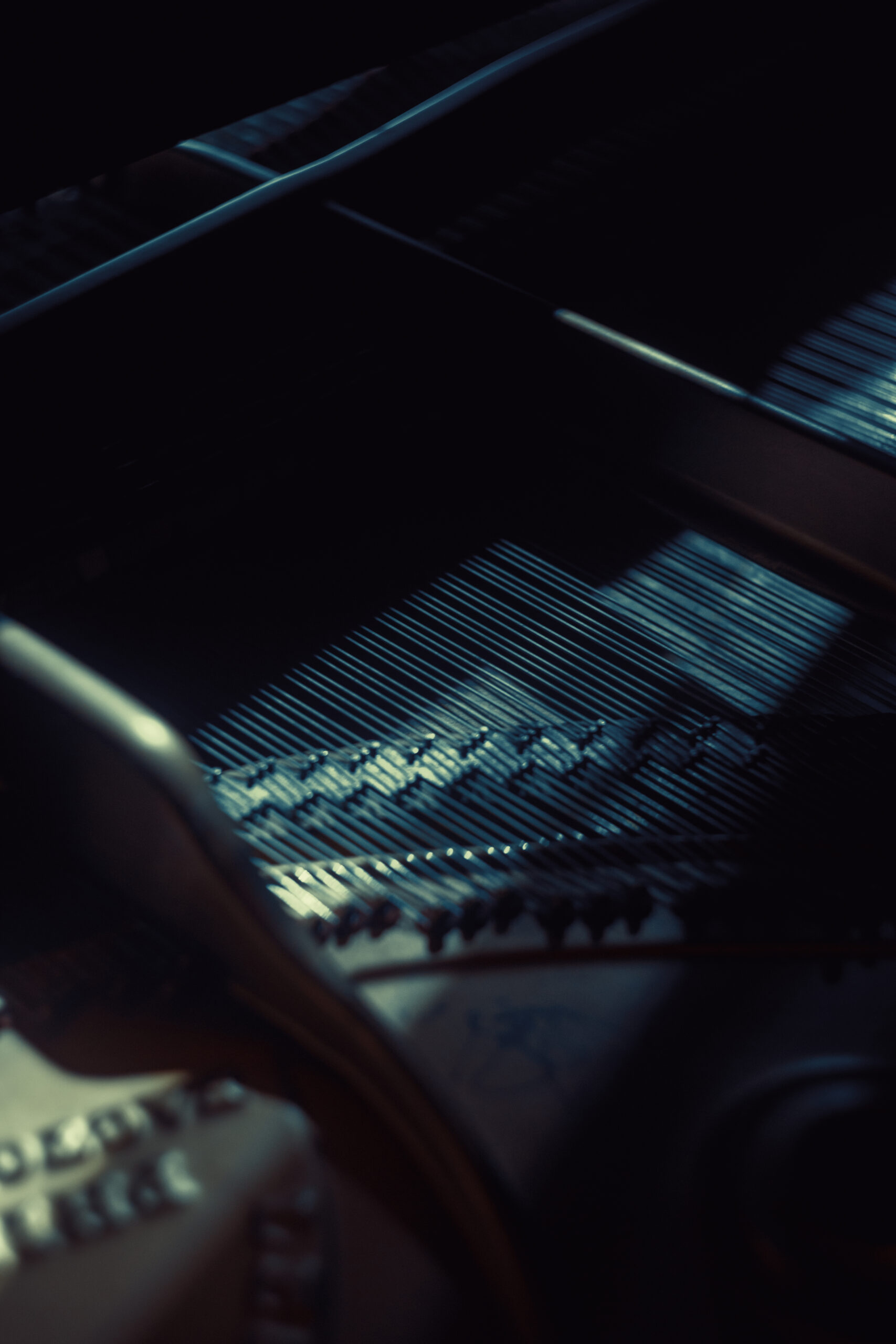
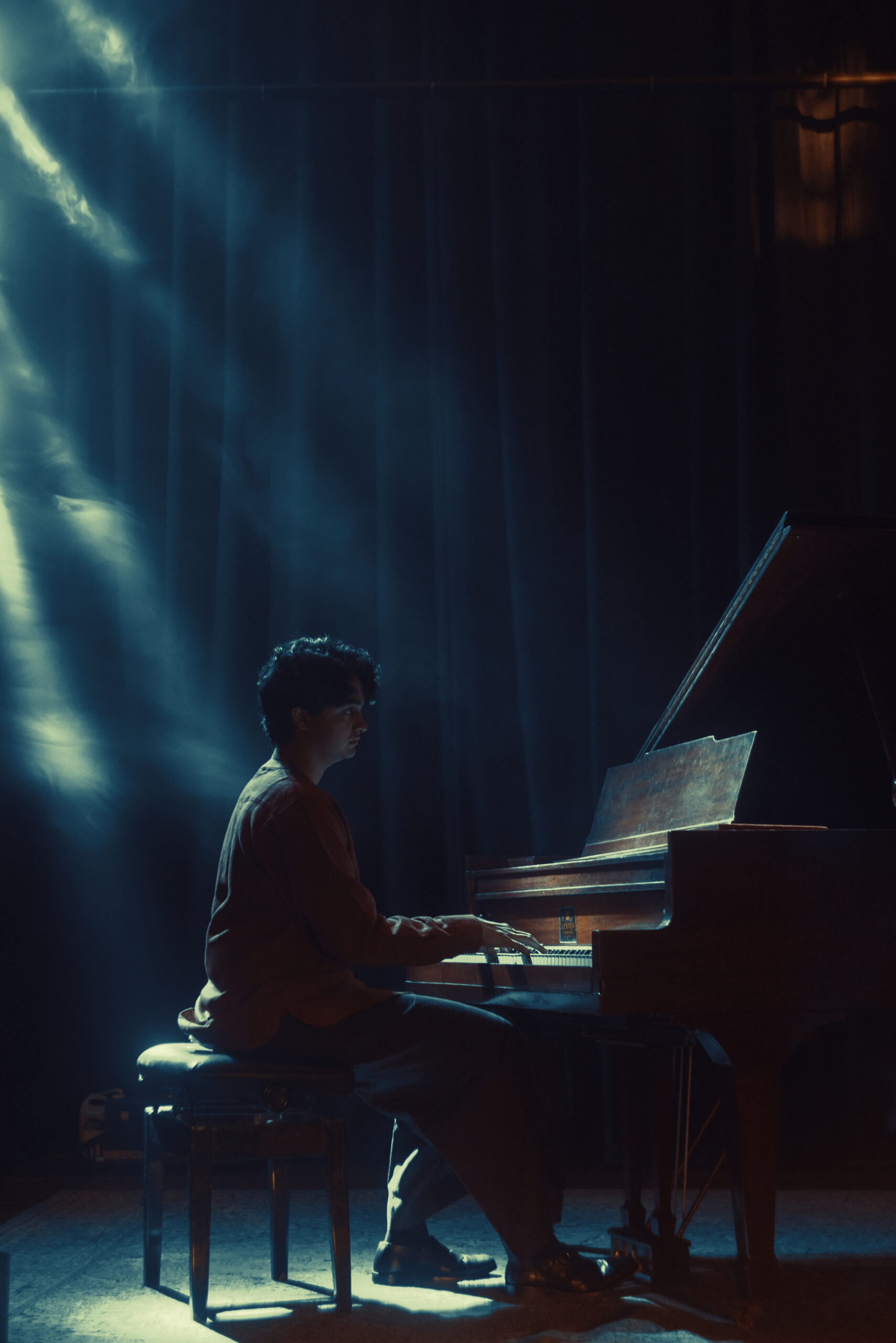
Captured in the soft, cinematic shadows of the studio, these monochrome portraits mirror the essence of his practice. When colour falls away, what remains is the bare structure of a moment — much like the piano itself, a vast expanse of black and white brought to life through touch. Just as these images remove visual noise, Ishaan strips away the rigid boundaries of genre, revealing a musical language in its purest form.
As part of Burgoyne Original Masters, Ishaan Leonard Rao brings a practice defined by curiosity, inheritance and quiet innovation — a reminder that tradition is not something static, but something continually reimagined through every note played.
Ishaan Leonard Rao, an Indo-Dutch pianist and composer, inhabits a musical landscape where tradition and experimentation exist in effortless dialogue. Raised in a home deeply rooted in Indian classical music, Ishaan’s relationship with sound began early. He was introduced to the sitar at the age of three and the cello at four, yet by six, he had found the instrument that would become entirely his own: the piano.
If you spend enough time listening to Ishaan, you realise that the piano is less of an instrument and more of a native tongue. What began with years of rigorous classical training has evolved into a deeply personal and borderless musical language. Today, his compositions move fluidly across influences, weaving together Indian classical traditions with contemporary jazz, alongside echoes of Arabic, Klezmer and Balkan music. There is a remarkable ease with which Ishaan translates the intricate spirit of Indian ragas into the structured world of Western classical music, allowing improvisation and spontaneity to shape the spaces in between. It never feels deliberate or constrained. Instead, he paints with the keys, transforming sound into a rich landscape of colour, texture and emotion.
For Ishaan, music is never about adhering to genre. It is about expression in its most instinctive form. His work resists categorisation, distilling diverse musical inheritances into something singular and unmistakably his own. Captured in the soft, cinematic shadows of the studio, these monochrome portraits mirror the essence of his practice. When colour falls away, what remains is the bare structure of a moment — much like the piano itself, a vast expanse of black and white brought to life through touch. Just as these images remove visual noise, Ishaan strips away the rigid boundaries of genre, revealing a musical language in its purest form. As part of Burgoyne Original Masters, Ishaan Leonard Rao brings a practice defined by curiosity, inheritance and quiet innovation — a reminder that tradition is not something static, but something continually reimagined through every note played.
Every note carries an inheritance, but every performance makes it new.
Every note carries an inheritance, but every performance makes it new.
Every note carries an inheritance,
but every performance makes it new.